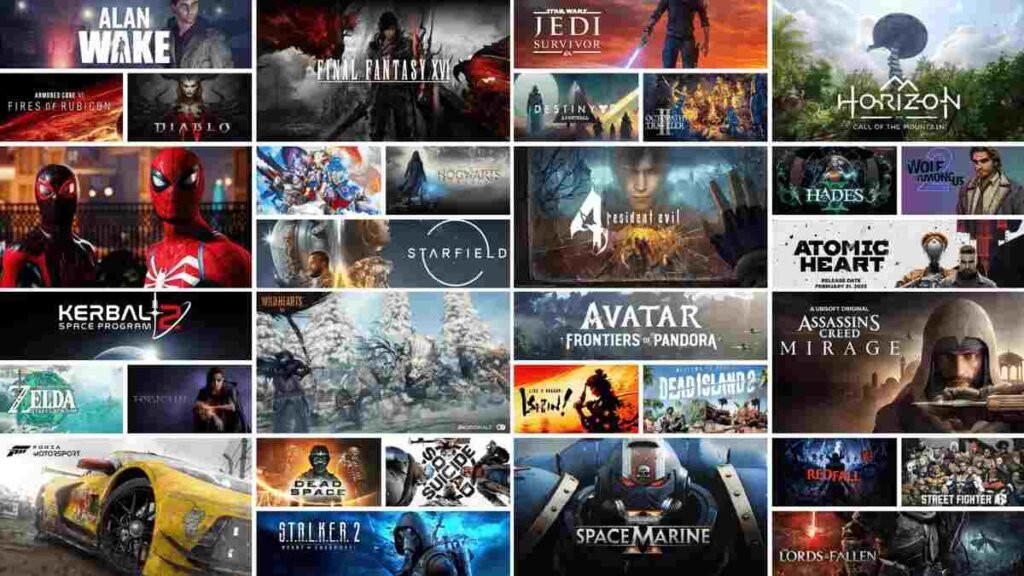
Keeping up with anticipated game release dates requires understanding that a announced launch calendar is rarely set in stone. The most high-profile titles of this generation are shifting schedules constantly as studios balance massive scope, performance optimization, and cross-platform targets.
If you have ever cleared your calendar for a Friday launch only to watch the developer issue a last-minute apology on social media, you already know the frustration. The modern release landscape is volatile. Studios announce games earlier than ever, often before production fully kicks into high gear.
Let’s break down what is actually on the horizon, how to decipher studio timelines, and how to avoid falling for placeholder dates.
Why Tracking Game Launch Windows Feels So Unpredictable Right Now
Why do launch calendars feel so chaotic lately?
It comes down to modern game design complexity. A decade ago, a standard triple-A title required a team of 100 people working for roughly three years. Today, flagship titles often require over 500 developers, multiple support studios, and five to seven years of active development.
Take Grand Theft Auto VI, for instance. When a game carries a budget running into hundreds of millions of dollars, a studio cannot afford a buggy launch. Rolling back a release date by six months costs millions in marketing real estate, but it costs far less than recovering from a broken launch state.
Here is what actually causes these constant schedule shifts:
-
Cross-Generation and Multiplatform Scope: Building a game that runs on high-end PCs, current-gen consoles, and weaker hardware adds months of QA testing.
-
Engine Transitions: Studios switching from proprietary engines to Unreal Engine 5 frequently hit optimization hurdles late in production.
-
Crowded Marketing Windows: Publishers intentionally dodge competing blockbusters. Nobody wants to launch an open-world RPG the same week a new Elder Scrolls or Monster Hunter drops.
Also Read: PS5 Pro vs Xbox Series X: The Ultimate Showdown.
The Biggest Upcoming Video Game Releases
Here is a breakdown of the heavily tracked titles currently on gamers’ radars, organized by their target windows.
Major AAA Blockbusters and High-Profile Sequels
| Title | Publisher / Developer | Confirmed Window | Platform |
| Grand Theft Auto VI | Rockstar Games | Fall 2025 / 2026 Target | PS5, Xbox Series X/S |
| Monster Hunter Wilds | Capcom | 2025 / 2026 | PC, PS5, Xbox Series X/S |
| Judas | Ghost Story Games | Target Window | PC, PS5, Xbox Series X/S |
| Metroid Prime 4: Beyond | Nintendo | Announced Window | Nintendo Switch / Successor |
The sheer scale of these games makes their schedules fluid. Capcom, for example, typically locks in firm dates roughly six months before launch once certification passes. Rockstar, on the other hand, historically prefers late-year windows—often October or November—to capture holiday sales, though delays into spring are common for their major releases.
Indie Breakouts and Surprise Hits
Indie studios handle release dates very differently from major publishers. Without massive shareholder deadlines, smaller teams often shadow-drop titles or announce firm dates only a few weeks prior.
Consider games like Hollow Knight: Silksong. The title became a legendary running joke in gaming communities specifically because Team Cherry opted to stay silent rather than commit to a date they might miss.
When tracking indie titles, watch for events like the Steam Next Fest. Games that drop a polished, playable demo during these festivals usually launch within three to eight months following the event.
Also Read: Next-Gen Handheld PC: Everything We Know So Far.
How to Read Game Release Schedules Without Getting Burned
So, how do you separate a real release date from a marketing wish?
You have to learn to read between the lines. Developers use specific industry jargon when they aren’t fully sure when a project will actually be ready.
Decoding “Q3,” “Early 2027,” and Vague Launch Windows
When an announcement trailer ends with a vague timeframe, here is what it almost always means in practice:
-
“Fiscal Year 2026” (FY26): This does not mean the calendar year 2026. For many publishers, FY26 runs from April 1, 2025, to March 31, 2026. If a publisher tells investors a game is slated for “Q4 FY26,” they are aiming for January through March 2026.
-
“Holiday 2026”: This is a target for the late October to early December window. If a game misses November 15 without a final code build sent for disc manufacturing, it will likely slip to February of the following year.
-
“Coming Soon” or “In Development”: The game is likely at least 18 to 24 months away. Do not expect to play it anytime in the current calendar year.
The Red Flags That Signal an Impending Delay
Here is a quick reality check. If a major game is supposedly launching in three months, but you haven’t seen raw gameplay footage—only cinematic trailers—the game is almost certainly getting delayed.
Rule of Thumb: Healthy launch campaigns feature raw, unedited gameplay capture and hands-on press previews at least 90 days before the listed release date. Silence during this window usually signals polish trouble.
Another major red flag? Amazon or retailer listings changing a date to “December 31.” That isn’t a confirmed end-of-year launch—it’s a standard placeholder used by databases when no actual date exists.
Also Read: Champions League 2026: Full Schedule & Predictions.
What Hardware Launch Cycles Mean for Software Dates
Hardware determines software. Whenever rumors or official announcements regarding new console revisions surface, software dates start moving around like chess pieces.
Developers holding back ambitious titles often shift their launch schedules to align with new hardware launches. Why? Launching alongside a new console guarantees high visibility and bundled sales.
If a studio delays a game that was running poorly on aging hardware, there is a strong chance they are refactoring it to serve as a showcase title for next-generation tech.
How to Stay Updated on Shifted Timelines
Instead of refreshing generic storefront pages, track official platform databases and age rating boards.
Before a game launches anywhere in the world, it must be submitted to rating organizations like the ESRB (North America), PEGI (Europe), or CERO (Japan). When a title receives an official ESRB rating, it means a playable, feature-complete build exists.
Once an ESRB rating appears online, you are usually within three to six months of actual launch. That is the single most reliable sign that a date is real.
Also Read: Shadow Realm Chronicles: In-Depth Review.
FAQ Section
How accurate are retailer placeholder release dates?
Retailer placeholder dates are almost never accurate. Stores like GameStop or Amazon use dates like “December 31” or “March 31” simply to satisfy database requirements for pre-orders. Unless the developer explicitly confirms a date on their official channels, ignore retailer listings.
Why do games get delayed so close to their original launch dates?
Games are usually delayed late in the process due to platform certification failures or critical optimization issues. Modern games must pass rigorous compliance checks by Sony, Microsoft, or Nintendo before being cleared for release. If a game fails compliance three weeks before launch, the developer has no choice but to push the date back to issue a fix.
What is the difference between a calendar year and a fiscal year release window?
A calendar year follows January to December, while a fiscal year is a financial reporting period used by corporations. For example, a publisher’s Fiscal Year 2026 might run from April 1, 2025, to March 31, 2026. When corporate reports mention a “Q4 launch,” they are often referring to early next year rather than the end of the current year.
Where can I check official, confirmed anticipated game release dates?
The best sources for verified release dates are direct developer announcements, official platform store pages (like PlayStation Store, Xbox Store, or Steam), and official ratings board updates from the ESRB or PEGI.
Also Read: Top 10 Mobile Games Dominating 2026.
Conclusion
The best way to navigate anticipated game release dates is to trust playable footage and official rating board submissions over early announcement trailers. When a game hits its age rating phase and begins showing extended, unedited gameplay, you can finally start setting your calendar.
For more Informative content, visit: EuroGamersOnline.news.